SYMPOSIUM!
MARCH 20-21, 2026
WILLIAMS RESEARCH CENTER
410 CHARTRES ST, NEW ORLEANS
ONE SINGLE PLACE
LOUISIANA AND THE SHAPING OF
THE EARLY AMERICAN REPUBLIC
PRESENTED WITH THE HISTORIC NEW ORLEANS COLLECTION AND WITH THE GENEROUS SUPPORT OF THE NATIONAL ENDOWMENT FOR THE HUMANITIES.
PROGRAM!
MARCH 20-21, 2026
WILLIAMS RESEARCH CENTER
410 CHARTRES ST, NEW ORLEANS
In celebration of the United States’ 250th anniversary, the Historic New Orleans Collection and the New Orleans Foundation for Francophone Cultures (Nous) will co-present a multimedia program that traces the shaping of our American identity through presentations, films, and musical performances. This symposium will specifically focus on the years following the Revolutionary War, when cultural exchange and trade—particularly between Native Americans and Francophone colonists along the Mississippi River—changed the perception of what it means to be American. From folktales and musical traditions to the interplay of nationalism and ethnic heritage, join us as we explore a pivotal era in US history through lively discussion and entertainment.
FRIDAY, MARCH 20
4:45 pm
-
Williams Research Center, 410 Chartres Street
5:30 pm
-
Daniel Hammer, President and CEO, the Historic New Orleans Collection
Scott Tilton, Executive Director, The New Orleans Foundation for Francophone Cultures
5:45 pm
-
Walter Isaacson, author and Professor of History, Tulane University
Walter Isaacson, bestselling author and professor of history at Tulane University, will deliver the symposium's keynote address. Isaacson will examine the famous Declaration of Independence passage beginning “We hold these truths to be self-evident,” unpacking its words and origins to reveal how this revolutionary sentence shaped the American dream and what it means to our American identity today. A complimentary copy of Isaacson’s new book The Greatest Sentence Ever Written will be provided to registered History Symposium attendees.
6:30 pm
-
Following the keynote address, join us for a champagne toast and book signing in the Williams Research Center’s Boyd Cruise Room for Walter Isaacson’s new book, The Greatest Sentence Ever Written.
SATURDAY, MARCH 21
8:15 am
-
Williams Research Center, 410 Chartres Street
9:00 am
-
Dr. Daniel H. Usner, Holland N. McTyeire Professor of History Emeritus, Vanderbilt University
Exploring some of the most significant political, economic, and cultural impacts that Native American nations had on French colonial Louisiana, this discussion will furthermore invite careful consideration of how decades of Indigenous-colonial interaction across the Mississippi Valley proved to be consequential for the formation of a national identity in the early American republic.
10:15 am
-
Dr. Will Thompson, Dunavant Professor of French, University of Memphis
Dr. Thompson will focus on the historical and cultural context of the Pays des Illinois, that area of the American Midwest explored and settled by the French during much of the 18th century. He will discuss how this part of Nouvelle France was intricately connected with the French-speaking populations to the north (in Quebec) and to the south (in modern-day Louisiana) and beyond. He will also provide examples of how this French heritage continues to be manifested and celebrated in the region.
Brian Hawkins, artist and filmmaker
Hawkins will present a selection of his animations and documentary video as he discusses the ways in which the folklore of the Pays des Illinois has continually evolved to reflect the ethos and heterogeneous roots of the region. While there are common threads of cultural expression that run throughout North America’s French communities, Hawkins will share how people in Old Mines and Ste. Genevieve, Missouri, have made certain traditions, songs, and stories their own—from legends of La Chasse-galerie to the begging quests La Guiannée and Mardi Gras. These living traditions show how Missouri Creoles fit into the constellation of American French communities, and they serve as an anchor, keeping successive generations in touch with their culture as they navigate the process of American assimilation.
11:45 am
-
Attendees break for lunch on their own in the French Quarter. Lunch will not be provided.
1:45 pm
-
Dr. Claire-Marie Brisson, Preceptor in French, Harvard University
Dr. Brisson will discuss how in early America, French was not experienced in a single way. For some, especially Huguenot émigrés fleeing religious persecution, adopting English was a conscious choice rather than a loss, shaped by the failures of the French monarchy itself. For others, French remained central to community life, though its meaning shifted across regions: from elite, metropolitan circles to contested borderlands and Indigenous treaty spaces where French served entirely different political functions. This session explores how Frenchness evolved differently across early American spaces and how language shifted between prestige and erasure depending on place, politics, and alliances.
Dr. Rachel Doherty, Assistant Director for Programming and Special Projects, University of Louisiana at Lafayette
Dr. Doherty will present on nationalist movements and discourses impacting identity formation for Acadian, Creole, and Franco-American people during the 20th and 21st centuries. This discussion is anchored in examples from French and Creole literatures, arts, pop culture, and folklife revival movements, and the consistent presence of occult folklore figures in contemporary arts and literatures.
The speakers will follow their presentations with a conversation considering how these varied experiences shaped who could belong—and on what terms—in an emerging American nation.
3:00 pm
-
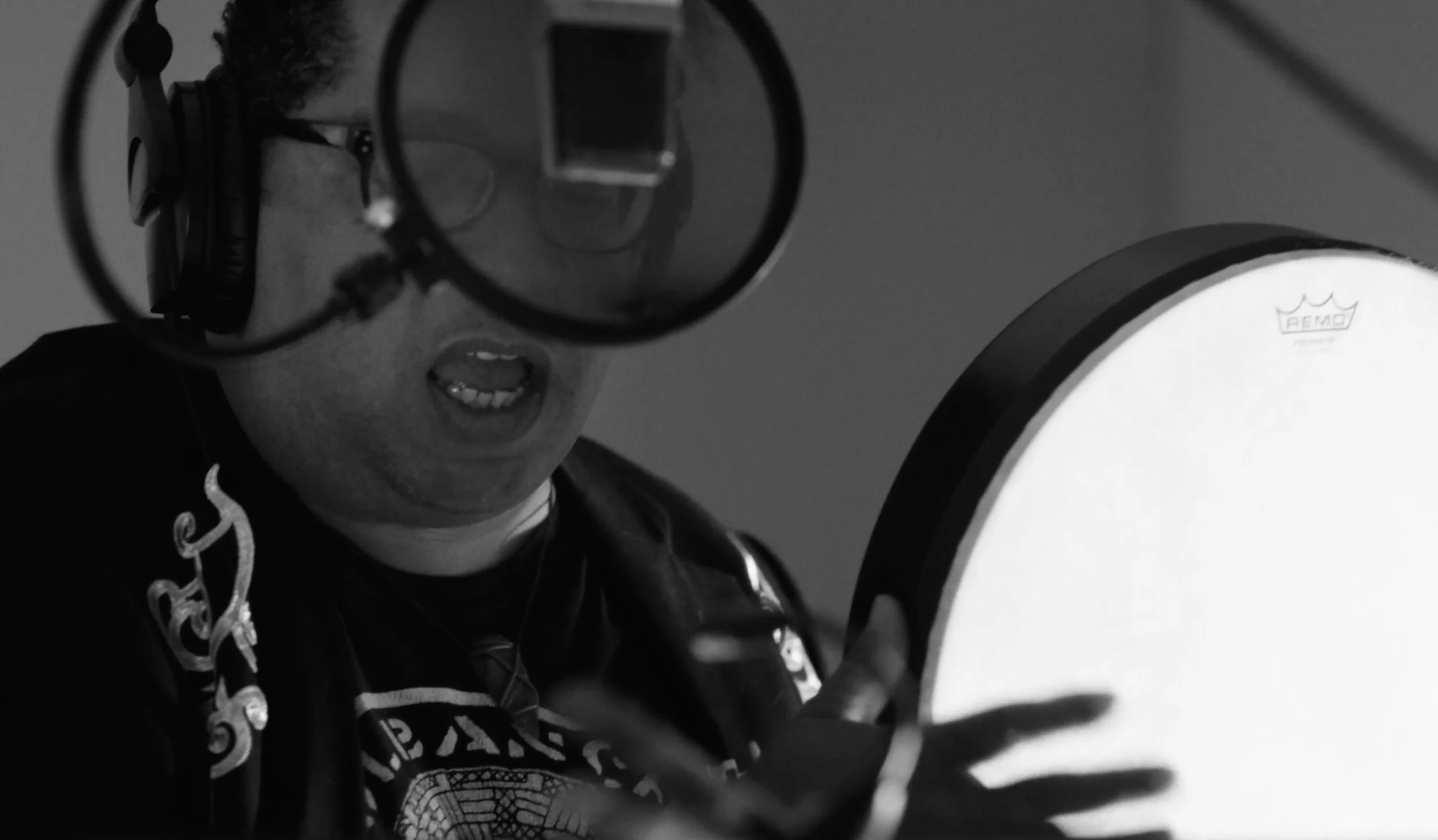
Bruce Sunpie Barnes, musician and cultural historian
Dennis Stroughmatt, preservationist, musician, and instructor specializing in Illinois-Missouri French traditional music
This discussion will provide insight into the shared musical traditions of former French settlements along the Mississippi River. The panelists will discuss and present examples of how these common traditions influenced quintessentially American music, from jazz to the blues and rock and roll.
4:15 pm
-
Dr. Jeffery U. Darensbourg, researcher and performer
Joseph Darensbourg, researcher and performer
Multimedia artists and scholars Dr. Jeffery U. Darensbourg and Joseph Darensbourg (enrolled members of the Atakapa-Ishak Nation of southwest Louisiana and southeast Texas) will close out the day, presenting music and stories from the Atakapa-Ishak Nation and discussing the shared musical and cultural traditions of Native people and French colonists in our emerging country.
5:00 pm
-
Celebrate the 2026 History Symposium with refreshments, enjoy live music, and view HNOC’s new interactive exhibition, American Revolution: The Augmented Exhibition, designed and produced by Histovery (a French technology firm).
SPEAKERS
SCHOLARS
RESEARCHERS
PERFORMERS
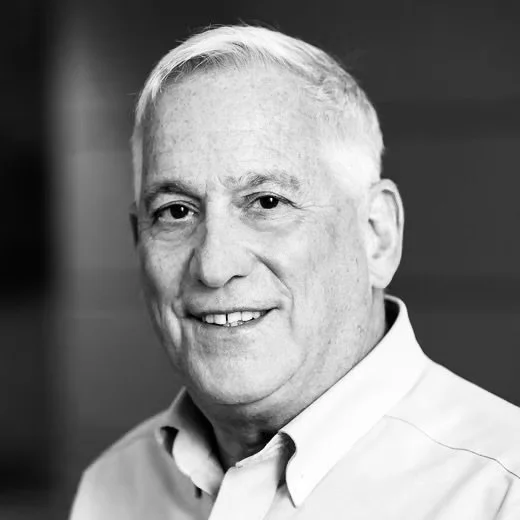
Walter Isaacson
Author & Professor of History (Tulane University)
Dr. Daniel Usner
Professor of History Emeritus (Vanderbilt University)
Dr. Will Thompson
Professor of French (University of Memphis)
Dr. Claire-Marie Brisson
Preceptor in French (Harvard University)
Dr. Rachel Doherty
Assistant Director for Programming and Special Projects (University of Louisiana at Lafayette)
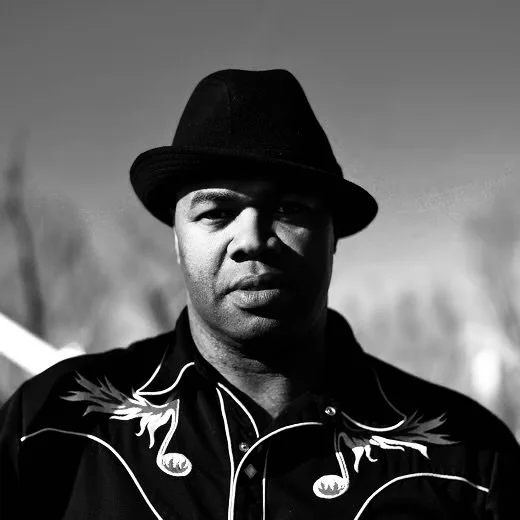
Bruce Sunpie Barnes
Musician & Cultural Historian
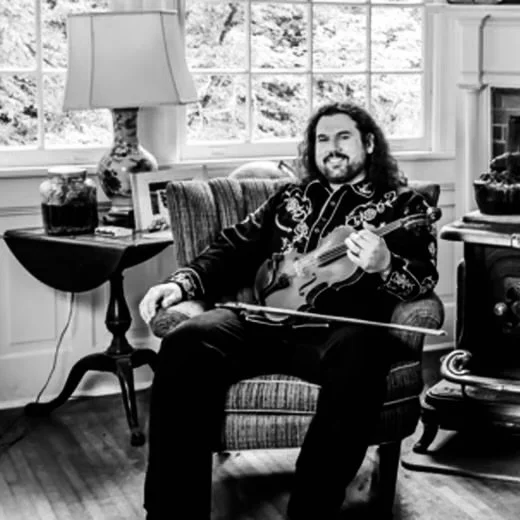
Dennis Stroughmatt
Preservationist, musician, and instructor specializing in Illinois-Missouri French traditional music
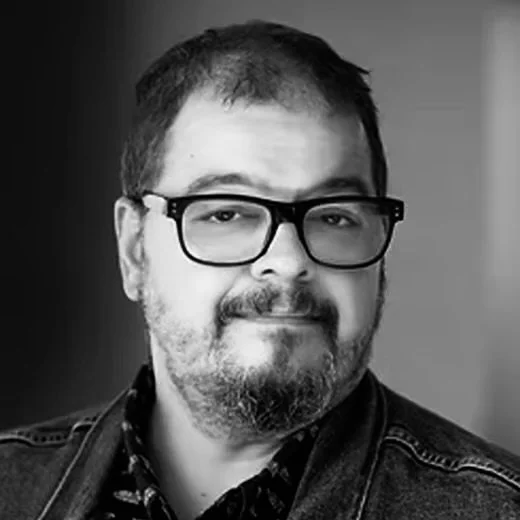
Brian Hawkins
Artist & Filmmaker
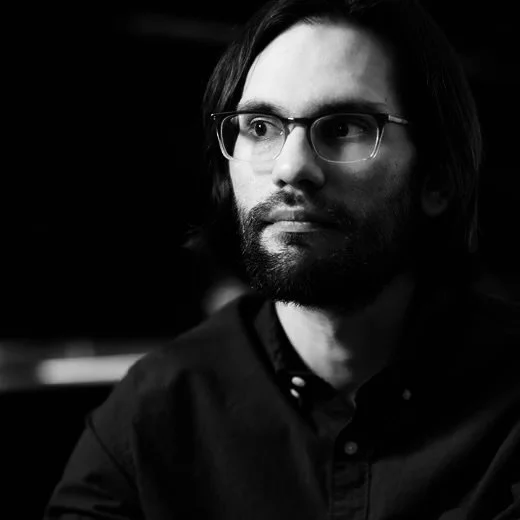
Dr. Jeffery U. Darensbourg
Researcher & Performer
Joseph Darensbourg
Researcher & Performer
JOIN US
Admission for the 2026 Symposium is $50 per person and includes access to activities and sessions on Friday, March 20, and Saturday, March 21. Spots are limited — sign up here!
Symposium participants are invited to book discounted rooms at the Omni Royal Orleans Hotel, located conveniently near HNOC’s Williams Research Center. To receive the special rate of $239 per night (excluding taxes/incidentals), interested attendees should call Julie Yates, sales manager/loyalty ambassador, at (504) 529-7020 and provide the promotional code “Nous Foundation.”
MERCI!
In September 2025, the National Endowment for the Humanities (NEH) awarded us one of its Celebrate America grants to organize this symposium ahead of America 250. This funding will also allow us to curate and present an original exhibition, Becoming Louisiana: Borders in Motion (1688-1803), which will open to the public on March 26, 2026.
We would also like to thank the Historic New Orleans Collection for co-presenting and hosting this symposium in their beautiful premises.